
Bite, Chew, and Smile Comfortably Again
A cracked, worn, or missing tooth can affect far more than your appearance. At Optimal Dental Care in Artesia, CA, we repair damaged teeth and replace missing ones so you can eat, speak, and smile without worry. Our restorative treatments are designed to look natural, feel comfortable, and hold up for the long run.
Request an Appointment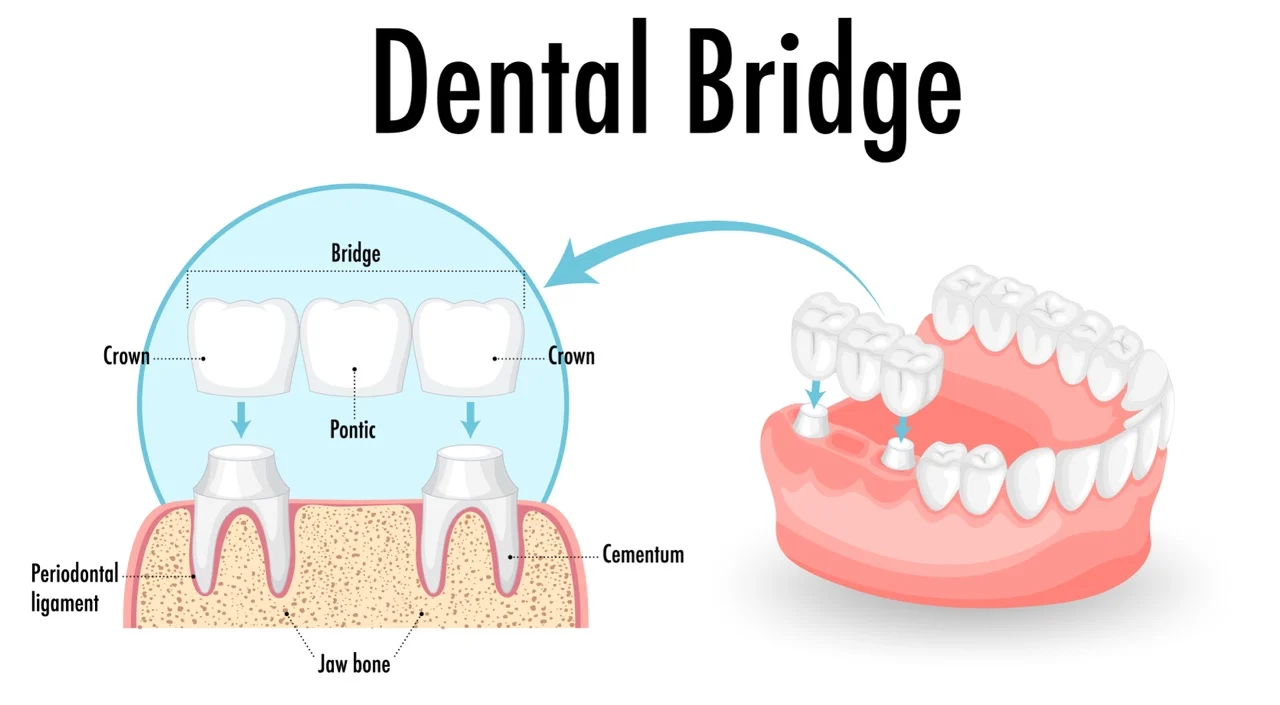
Dental Bridges in Artesia, CA
A missing tooth affects more than your smile. It can change how you bite and chew, let neighboring teeth drift out of place, and…
Read More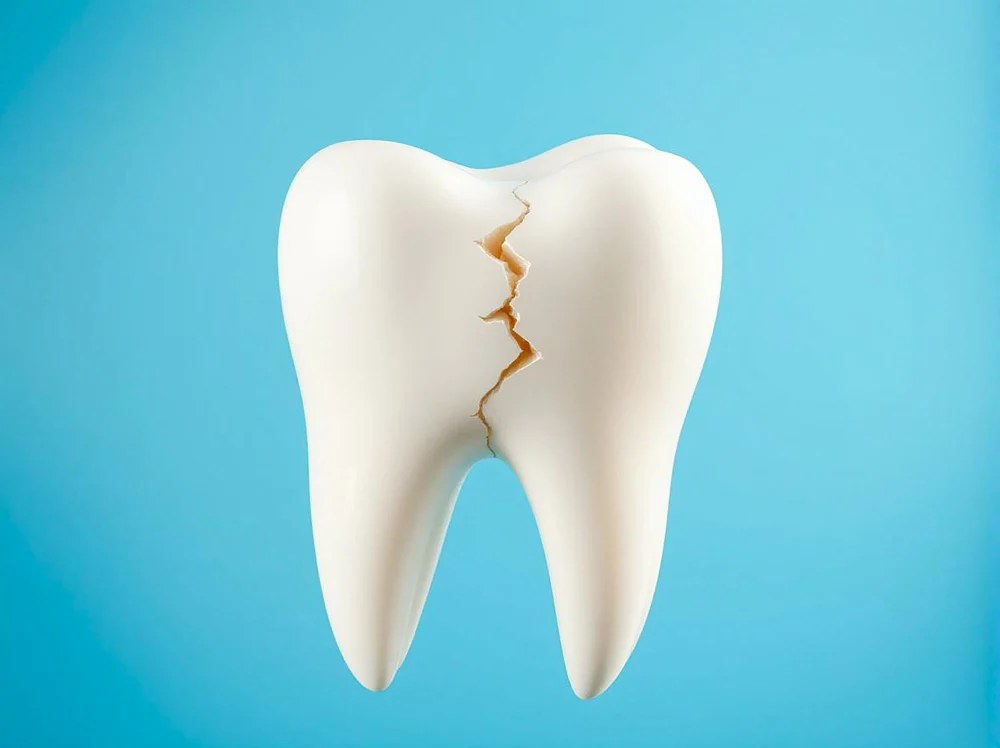
Cracked Tooth Repair in Artesia, CA
A cracked tooth can cause unpredictable pain, lingering temperature sensitivity, and serious complications if it goes untreated. At Optimal Dental Care in Artesia, CA, our team diagnoses…
Read More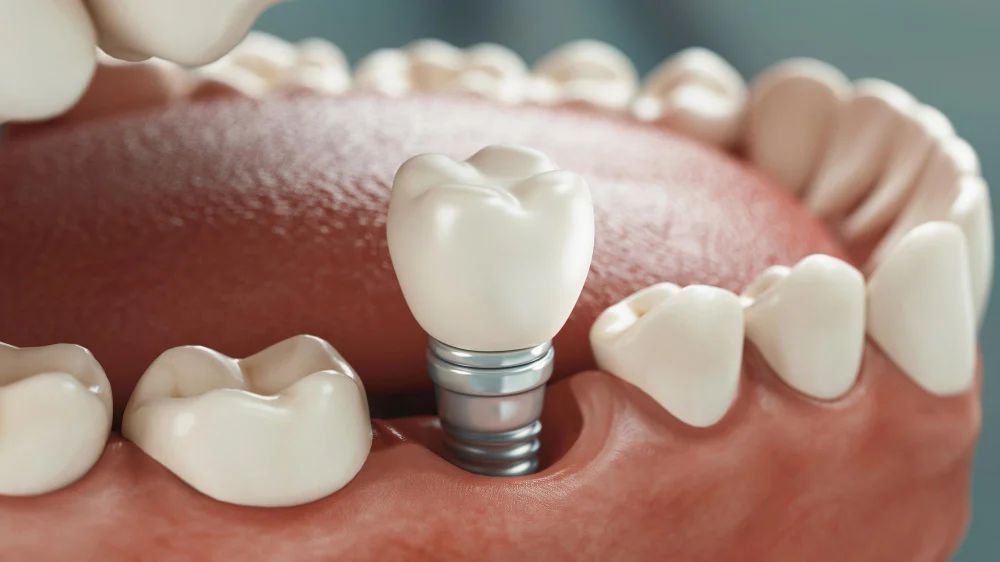
Dental Implants in Artesia, CA
Missing teeth can affect much more than your appearance. At Optimal Dental Care in Artesia, CA, dental implants give you a permanent, natural-feeling way to replace missing…
Read More
Implant Restoration in Artesia, CA
Dental implants are built to last, but like any restoration they do best with ongoing monitoring and care. At Optimal Dental Care in Artesia, CA, our implant…
Read More
Inlays and Onlays for Damaged Teeth in Artesia, CA
When a tooth has too much damage for a filling but doesn’t yet need a full crown, inlays and onlays offer a middle ground….
Read MoreTreatments That Repair and Replace Teeth
Restorative dentistry focuses on returning teeth to full health and function. Whether you have one weakened tooth or several missing teeth, we start with a careful exam, explain your options in plain language, and recommend the treatment that fits your needs and goals.
Dental Implants and Implant Restoration
When a tooth is missing, a dental implant replaces both the visible tooth and the root beneath it. The implant is topped with a custom implant restoration that is shaped and shaded to blend in with the rest of your smile.
Dental Bridges
A dental bridge fills the gap left by one or more missing teeth by anchoring a replacement tooth to the healthy teeth on either side. Bridges help restore your bite and keep neighboring teeth from shifting out of place.
Cracked Tooth Repair
Cracks can start small and grow painful if they are ignored. Our cracked tooth repair options protect the tooth, ease sensitivity, and help you avoid losing it altogether.
Inlays and Onlays
When a cavity or break is too large for a standard filling but does not call for a full crown, inlays and onlays offer a strong, conservative solution that preserves more of your natural tooth.
Signs It May Be Time for Restorative Care
- A tooth that hurts when you chew or bite down
- Lingering sensitivity to hot, cold, or sweet foods
- A chipped, cracked, or broken tooth
- An old filling or crown that is worn, loose, or damaged
- One or more missing teeth that make eating difficult
Related Care You May Need
Some restorative treatments work hand in hand with other services. A badly damaged tooth may need a root canal before it is rebuilt, while a tooth with a large break may be protected with a porcelain crown. If you are missing most or all of your teeth, ask us about dentures.
Restorative Dentistry FAQs
What is restorative dentistry?
Restorative dentistry is the part of dental care that repairs damaged teeth and replaces missing ones. It includes treatments such as implants, bridges, inlays and onlays, and cracked tooth repair, all aimed at bringing back normal function and a healthy-looking smile.
How do I know which restorative treatment is right for me?
The right treatment depends on how much of the tooth is damaged, whether the tooth is missing, and the health of your gums and surrounding teeth. After an exam and a review of your X-rays, we will walk you through your options and help you choose what makes sense for your situation.
What is the difference between a dental bridge and a dental implant?
A bridge replaces a missing tooth by attaching a replacement tooth to the natural teeth on each side of the gap. An implant replaces the tooth root with a small post placed in the jaw and then adds a crown on top. We can explain the pros and cons of each so you can decide which fits you best.
Can a cracked tooth be saved?
Often, yes. Many cracked teeth can be protected and restored if they are treated early. The right approach depends on the size and depth of the crack, so it is best to call us as soon as you notice pain, sensitivity, or a visible crack.
How are inlays and onlays different from regular fillings?
Inlays and onlays are custom-made restorations that fit the shape of your tooth. They are typically used for damage that is too large for a standard filling but not extensive enough to need a full crown, which helps preserve more of your natural tooth structure.
Will restorative treatment be painful?
We take steps to keep you comfortable during treatment, including numbing the area when needed. Some mild soreness afterward is normal for certain procedures, and we will give you aftercare instructions to help you heal smoothly. If dental visits make you nervous, let us know so we can talk through ways to help you feel at ease.
Does insurance cover restorative dentistry?
Many dental plans cover part of the cost of restorative treatment, though coverage varies by plan and procedure. Our team can help you understand your options, and you can find more details on our financial information page.
Ready to Restore Your Smile?
Call (562) 860-1805 or request a visit online, and our Artesia team will help you find the right way to repair or replace your teeth.